A new brainwave test could detect early signs of Alzheimer’s years before diagnosis — in just three minutes. That’s according to researchers at the University of Bath and the University of Bristol, who recently tested the new technology — called Fastball EEG — in patients’ homes. The three-minute test records …
Read More »Two popular types of exercise could reduce cancer growth, study finds
New research has revealed that a single session of weight training can help fight breast cancer. Researchers at Edith Cowan University in Australia investigated how resistance training and high-intensity interval training (HIIT) affect cancer cells. One key benefit is the boosting of myokines, a protein produced by muscles that could …
Read More »New MRI brain scan predicts Alzheimer's risk years before symptoms develop
Levels of iron in the brain could be a warning sign of future Alzheimer’s disease, a new study suggests. High levels of the chemical element have been shown to increase brain toxins and trigger neurodegeneration, resulting in cognitive decline — especially when they interact with theabnormal amyloid and tau proteins …
Read More »Common vitamin shown to slash skin cancer risk in some groups, study suggests
A common vitamin could help prevent the development of skin cancer, new research suggests. The study, published in JAMA Dermatology, found a decreased risk of three types of skin cancer associated with the use of nicotinamide, which is a form of vitamin B3. The research examined the health data of …
Read More »New breast cancer drug wins FDA approval after slashing progression risk by nearly 40%
The U.S. Food and Drug Administration has approved a new treatment for advanced breast cancer. Drugmaker Eli Lilly announced Sept. 25 the approval of Inluriyo, an oral estrogen receptor antagonist, to treat adults with specific types of the disease. Those types include estrogen receptor-positive (ER+), human epidermal growth factor receptor …
Read More »The hidden reason scientists say bottled water may not be the cleaner choice
Microplastics are a known threat to overall health — and eating and drinking from plastic containers, like water bottles, could be a great offender, researchers suggest. A new study published in the Journal of Hazardous Materials analyzed 141 existing scientific papers on microplastics and nanoplastics from single-use plastic water bottles …
Read More »He carries the Alzheimer’s gene but never got the disease — scientists want to know why
A Washington man appeared to be destined to develop Alzheimer’s disease — but against all genetic odds, he has eluded the common dementia for decades. Researchers at the Washington University School of Medicine in St. Louis recently published a study focusing on Doug Whitney, 76, who lives near Seattle. He …
Read More »Ozempic and similar drugs could interfere with common medical procedure, research warns
Researchers have revealed a surprising new side effect linked to GLP-1 agonists, such as Ozempic, Wegovy, Mounjaro and Zepbound. These popular treatments for diabetes and obesity could interfere with medical imaging, such as PET and CT (“CAT”) scans. CT scans are often used to get detailed internal images to detect …
Read More »Paralyzed man walks again after experimental drug trial triggers remarkable recovery
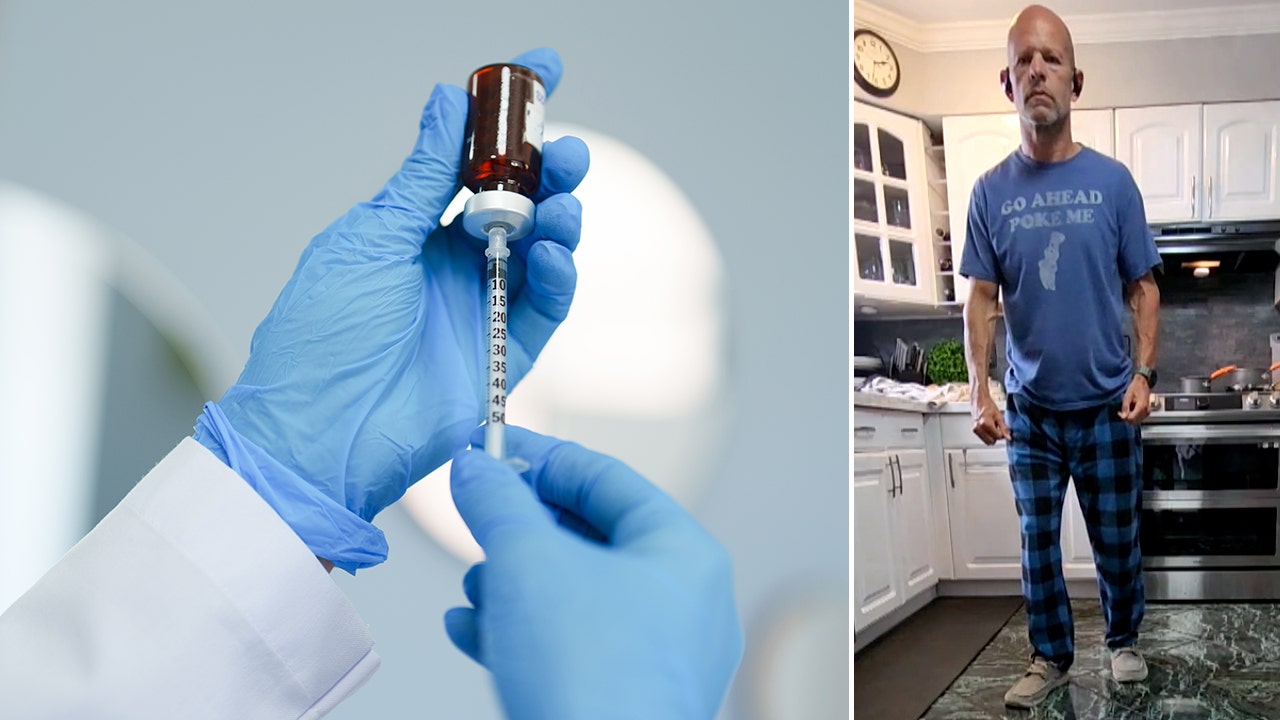
An experimental drug could help to improve movement for patients with spinal cord injuries. NVG-291, an injectable peptide, has been tested in a phase 2 trial with eligible patients — some of whom noted remarkable outcomes. Larry Williams, a trial participant based in Philadelphia, Pennsylvania, shared with Fox News Digital …
Read More »Prostate cancer patients see longer survival with new combination drug
A new treatment strategy tested by UCLA researchers could offer new hope for men whose prostate cancer has returned after initial treatment. This approach could also help delay the need for hormone therapy, which can have burdensome side effects. The findings, which were presented at the annual American Society for …
Read More »